History in Our Bones: Thinking Together about Disability in Premodern Europe
Prof Alison Beach
History in Our Bones aims to make past individuals, marginalised by historiographical and archaeological narratives, visible by revisiting impairment and disability within select contexts from Late Antique to Early Modern Europe.
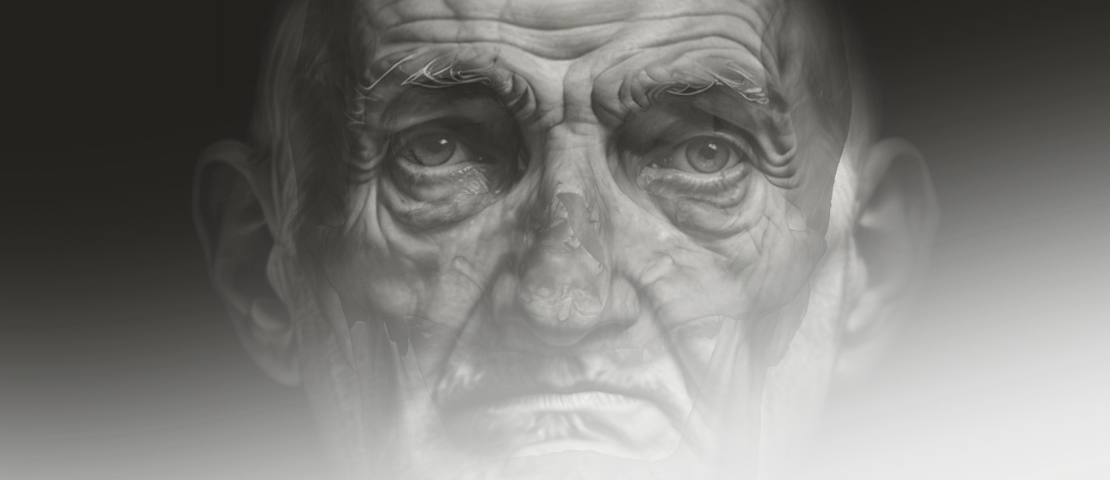
This collaboration pioneers a new approach to understanding the daily lives of people with physical disabilities and healed trauma in premodern Europe by bringing together historians, archaeologists, archaeological scientists, forensic imaging experts, and orthopaedists specialising in the biomechanics of skeletal impairment and healed trauma.
The exhibition includes photographs, digital reproductions, artist’s renderings, and three-dimensional replicas of human remains (skeletons) from medieval England. While no actual human remains are on display, visitors should be aware that these forms of media will be visible throughout the exhibit.
The research is presented by Professor Alison Beach from the School of History at the University of St Andrews.
Poisonous Books: Dangers from the Past
Dr Pilar Gil, Erica Kotze
Can you tell which books might cause you harm?
Pigments used to colour historic books sometimes contain hazardous substances, making them very dangerous to handle.
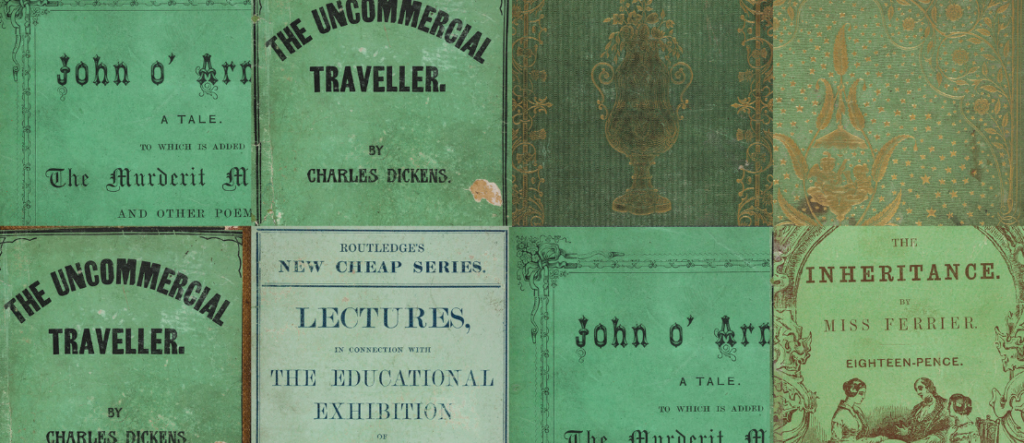
Of particular concern is arsenic which, combined with copper, creates a bright green that was used to colour books, dresses, socks, and many other everyday items in the 1800s. This pigment is called emerald green.
Museums and libraries across the world have inherited these items from the past, and are facing increasing challenges in recognising and treating poisonous books appropriately.
Come along to the Wardlaw Museum to discover more about emerald green and the ongoing research to develop StAArT – the St Andrews University Arsenical Tool.
Check out the project website for more information: Poisonous Books Project
Divine Summits – The Cultural Lives of Mediterranean Mountains
Victoria Jackson and Carla Longo
From Tuesday 30 September to Thursday 16 November

What stories do mountains hold?
This residency invites you to explore the history and cultural relevance of four Mediterranean mountains across time: Vesuvius, Albanus, Pasnassus and Kithairon.
Mountains might seem remote and untouchable. Yet they have for centuries been at the centre of human culture and interaction with the natural environment. The Greeks and Romans built their temples and villas atop commanding heights and breathtaking landscapes. Mountains were both hubs for civilisation and locations for divine encounters – occupying a unique status in how the ancients understood the world.
By contrast, mountains seem to have a more complicated relationship with modernity, with their futures appearing uncertain and threatened by environmental degradation. This residency